
Walk into any bedding store and you’ll see it: memory foam pillows have become the default premium option. This is no passing trend. According to market research from Business Research Insights and Global Growth Insights, the global memory foam pillow market reached approximately $3.35 billion in 2026 and is projected to nearly double to around $6.7 billion by 2035, at an annual growth rate of roughly 8%. Estimates may vary across research firms depending on whether studies include blended fills or only pure memory foam, but the broad direction is clear: e-commerce brands, hotel chains, and retailers keep expanding their pillow assortments.
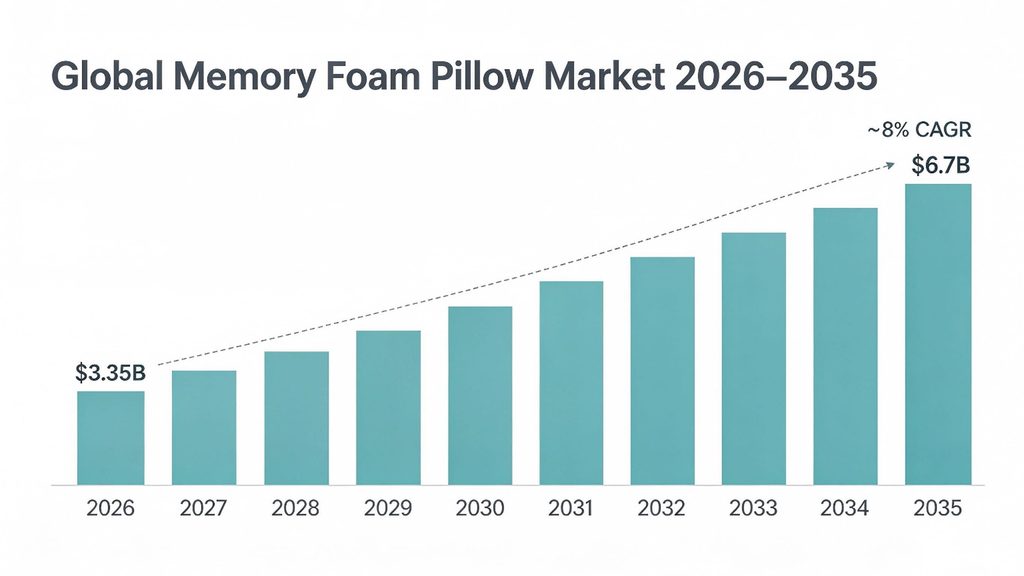
Demand remains strong. The bigger challenge today sits on the cost side.
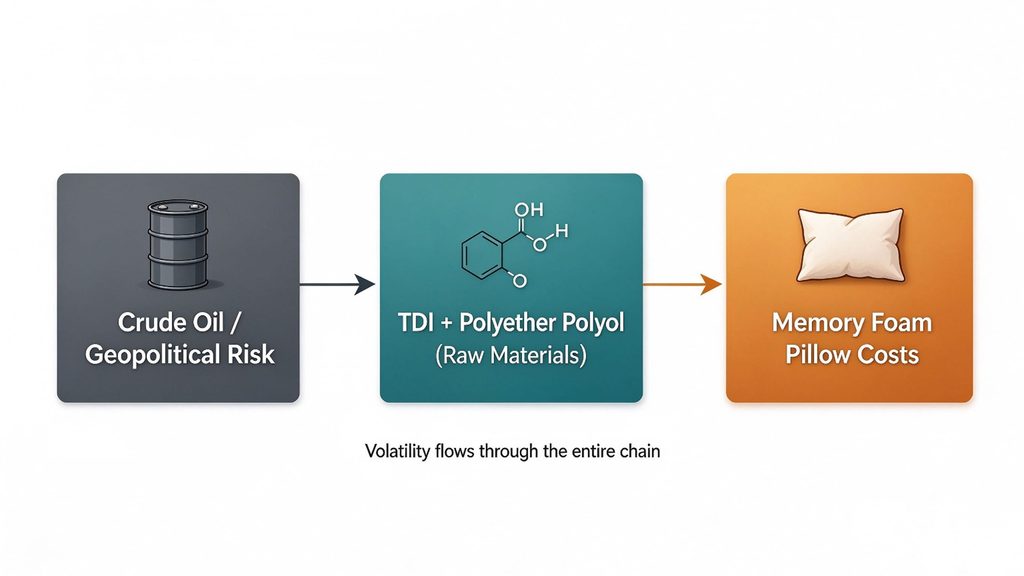
If you work in this industry, you know how tightly memory foam pricing ties to petrochemical markets. When global shipping disruptions or geopolitical risk push crude oil prices higher, those increases flow directly into TDI and polyether polyol — the core raw materials used to make memory foam. In volatile market cycles, spot prices for these chemical inputs can climb rapidly, putting pressure on every manufacturer’s cost structure.
This piece is not meant to push anyone into rushing an order ahead of expected hikes. We simply want to share what we observe from our factory floor. If this gives you a clearer view of where the market may head, or encourages you to run your own category research, then it has served its purpose. If we later get to discuss your specific needs, even better.
As a partner, we have put several measures in place to bring more stability amid these fluctuations:
1. Price protection through mid-November. Orders confirmed before mid-November will be honored at our October pricing. If raw material costs shift further in the coming weeks, we will absorb that difference instead of passing the increase along to our customers.
2. Retaining a lower MOQ at 200 pieces. Many manufacturers have raised minimum order quantities to offset rising material and production costs. We have intentionally kept our threshold accessible so smaller and newer brands can still test and build their bedding lines without prohibitive order sizes.
3. Simplified DDP shipping. For partners across the GCC, Latin America, Japan, Korea, the United States, Canada, and key European markets including Germany, France and Poland, we offer streamlined DDP channels. You manage your order and payment; we handle customs clearance, duties, and last-mile delivery all the way to your warehouse. No extra brokers to coordinate, no burdensome paperwork.
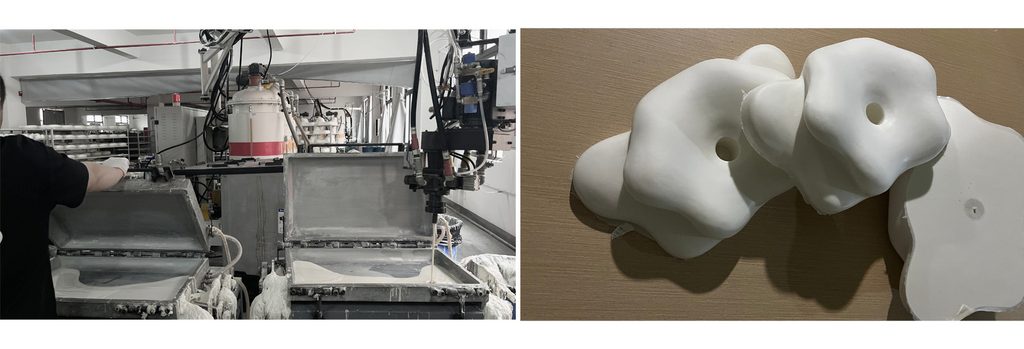
One honest industry observation: when raw material costs rise sharply, the market often fills with compromises. Some suppliers blend in additives, reduce foam density, or make layers thinner to hold down sticker prices. A pillow may look identical when it leaves the warehouse, but the difference in feel and support often becomes noticeable within just a few weeks or a month. Whichever supplier you choose, always get foam density and core specifications confirmed in writing.
The memory foam pillow market keeps expanding, yet raw material prices remain unpredictable. The next twelve months will separate brands that build resilience into their supply chains from those that react only after surprises hit. If you are considering adding memory foam pillows to your catalog, we are ready to walk you through every detail — specifications, pricing, lead times, and whatever else you need to make a confident decision.
— Ava | MINCOLEN